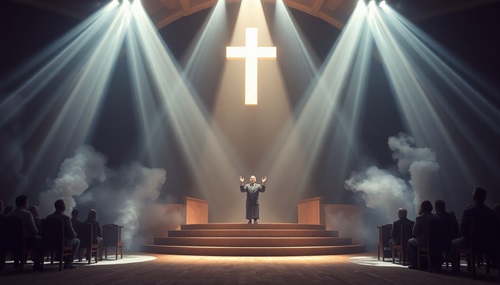
One of the most searched and misunderstood questions in Christianity is this: What is blasphemy against the Holy Spirit?
Many sincere believers worry that they may have committed the unforgivable sin.
Others wonder if a careless word, a season of doubt, or a past mistake has placed them beyond God’s forgiveness.
The good news is that the Bible gives a clear answer. When we understand the context of Jesus’ words, we discover both the seriousness of this warning and the greatness of God’s mercy.
What Is Blasphemy Against the Holy Spirit?
Jesus spoke about blasphemy against the Holy Spirit in the Gospels after performing miracles through the power of the Holy Spirit. Instead of acknowledging God’s work, some religious leaders deliberately claimed that Jesus was casting out demons by the power of Satan.
Jesus responded:
“Therefore I tell you, every sin and blasphemy will be forgiven people, but the blasphemy against the Spirit will not be forgiven.” (Matthew 12:31)
A similar warning appears in Mark 3:28–30 and Luke 12:10.
In its immediate context, blasphemy against the Holy Spirit was not a careless statement or an honest question. It was the deliberate, persistent rejection of the Holy Spirit’s clear testimony about Jesus while knowingly attributing God’s work to Satan.
Why Did Jesus Call It an Unforgivable Sin?
God’s forgiveness is available through Jesus Christ. The Holy Spirit convicts people of sin, reveals the truth about Christ, and calls them to repentance.
If someone continually and knowingly rejects the Spirit’s testimony, refusing to repent and believe, they reject the very means by which forgiveness is received.
The problem is not that God’s mercy is too small. The problem is that the person refuses the One who leads them to that mercy.
Have I Committed Blasphemy Against the Holy Spirit?
This is one of the most common fears among Christians.
If you are worried that you may have committed this sin, your concern itself is often a sign that your heart is still responsive to God. People who are genuinely seeking God’s forgiveness demonstrate a desire to respond to Him rather than a settled determination to reject Him.
The Bible assures us:
“If we confess our sins, he is faithful and just to forgive us our sins and to cleanse us from all unrighteousness.” (1 John 1:9)
God welcomes those who come to Him with repentance and faith.
Can a Christian Commit This Sin?
Christians have understood this question in different ways, but many agree on an important point: blasphemy against the Holy Spirit is not an accidental act, a moment of anger, or an intrusive thought. It is a persistent and willful rejection of the Holy Spirit’s witness to Christ.
Believers may struggle with doubt, fear, temptation, or even periods of spiritual weakness. Yet God continues to call them to repentance, restore them, and strengthen their faith.
What the Blasphemy Against the Holy Spirit Is Not
The Bible does not describe this sin as:
- Having doubts about your faith.
- Asking honest questions about Scripture.
- Speaking carelessly before becoming a Christian.
- Feeling spiritually dry.
- Struggling with temptation.
- Falling into sin and later repenting.
- Experiencing unwanted or intrusive thoughts.
Many faithful believers have wrestled with fear and uncertainty. God invites them to return to Him with confidence in His grace.
How Should Christians Respond?
Instead of living in fear, believers should cultivate a heart that responds to the Holy Spirit.
Spend time reading God’s Word.
Pray faithfully.
Repent quickly when you sin.
Worship Christ wholeheartedly.
Remain sensitive to the Spirit’s conviction.
As you continue walking with God, your faith grows, and your confidence in His promises deepens.
The Hope of the Gospel
The central message of the gospel is not condemnation but salvation.
Jesus came to save sinners. Throughout the New Testament, we see people who had committed serious sins receive forgiveness through repentance and faith.
Romans 10:13 declares:
“For everyone who calls on the name of the Lord will be saved.”
If you are seeking Christ today, trust His promise. His grace is sufficient for all who come to Him in faith.
Conclusion
Blasphemy against the Holy Spirit is a solemn warning about persistently rejecting the Holy Spirit’s witness to Jesus Christ. It should lead us to examine our hearts, but it should not leave sincere believers trapped in fear.
God is rich in mercy. He invites everyone to repent, believe the gospel, and receive the forgiveness found in Jesus Christ.
If you are concerned about your relationship with God, let that concern move you toward Him rather than away from Him. Open His Word, seek Him in prayer, and rest in the promise that Christ welcomes all who come to Him in faith.
Frequently Asked Questions
What is blasphemy against the Holy Spirit?
In the context of Matthew 12:31–32 and Mark 3:28–30, it refers to the deliberate and persistent rejection of the Holy Spirit’s testimony about Jesus, including attributing God’s work to Satan.
Is blasphemy against the Holy Spirit an unforgivable sin?
Jesus described it as unforgivable because those who persistently reject the Holy Spirit refuse the very One who leads people to repentance and forgiveness.
Can God forgive someone who sincerely repents?
The Bible repeatedly teaches that God forgives those who genuinely repent and trust in Jesus Christ (1 John 1:9; Romans 10:13).
Have I committed blasphemy against the Holy Spirit?
Many pastors and Bible teachers observe that those who sincerely fear they have committed this sin are often demonstrating a heart that still desires God. If you are turning to Christ in repentance and faith, Scripture encourages you to trust His promise of forgiveness.
Where does the Bible talk about blasphemy against the Holy Spirit?
The primary passages are Matthew 12:22–32, Mark 3:22–30, and Luke 12:10.
What is the Holy Spirit?. Get this Book
Continue Growing in Your Faith
If this article has encouraged you, explore our Christian books, daily devotionals, Bible study guides, prayer resources, and digital Bible study tools to deepen your understanding of Scripture and strengthen your walk with Christ.